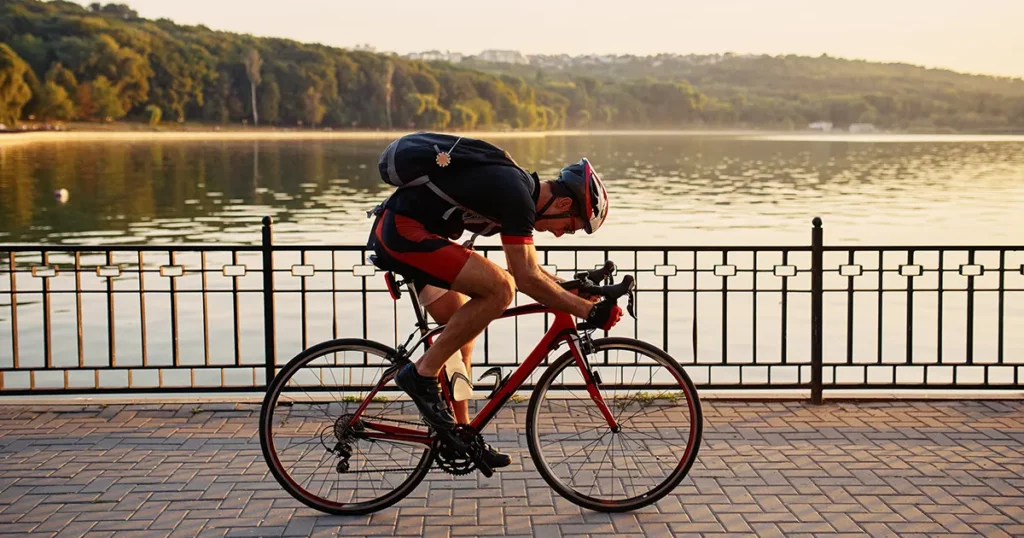
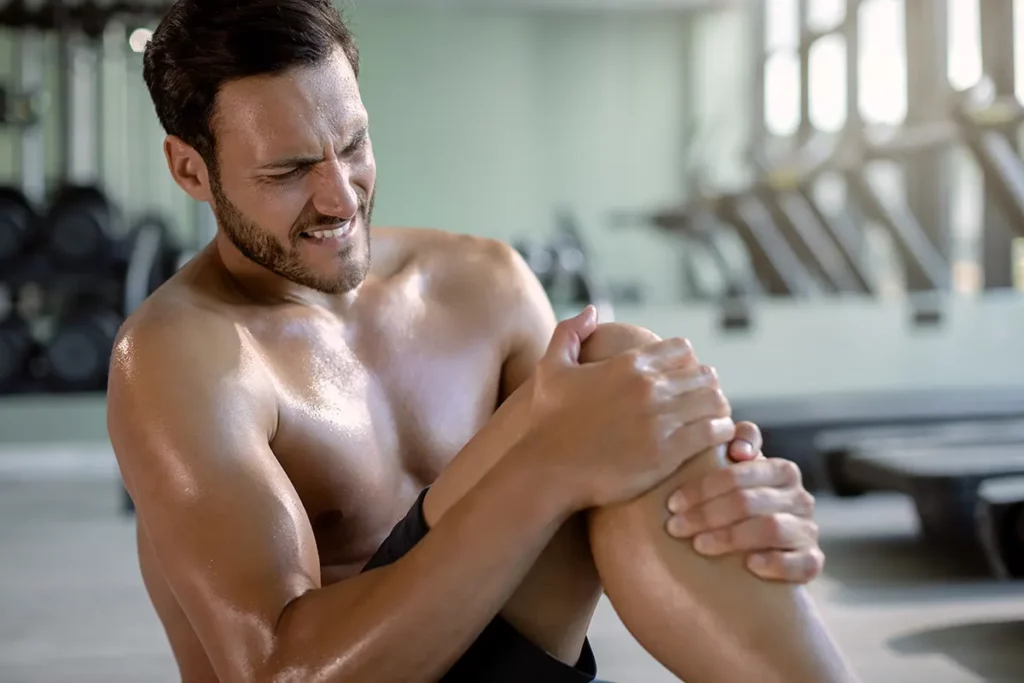
A hard training session can leave you feeling satisfyingly tired, or it can leave you struggling to get down the stairs, turn your head comfortably or settle into your usual running stride. The difference matters. Sports massage for recovery is not about pushing through pain or getting a quick fix before the next session. Used well, it can help you feel less restricted, understand what your body needs and return to activity with more confidence.
For runners managing heavy legs after mileage, gym-goers whose shoulders feel tight after pressing, or field sport players carrying knocks from the weekend, hands-on treatment can be a useful part of a wider recovery plan. It is most effective when it is matched to your training, your symptoms and the demands of your sport.
What sports massage for recovery can help with
Sports massage uses techniques such as soft-tissue work, compression, stretching and targeted pressure to address muscles and surrounding tissues affected by exercise. The pressure and approach should not be identical for everyone. A sore calf after a long run needs a different plan from a stiff upper back after desk work and strength training.
Many people seek massage because their muscles feel heavy, tight or tender after training. Treatment may help reduce the feeling of stiffness, improve short-term range of movement and create a valuable opportunity to switch off after a demanding block of exercise. That can make your next walk, gym session or training session feel more comfortable.
There is also a practical benefit that gets overlooked. Recovery appointments give you time to identify patterns. If one hip always feels restricted after football, or your hamstring repeatedly tightens during faster runs, the answer may not be more pressure on the sore area. It may be a change in training load, strength, mobility, running mechanics or recovery habits.
Massage is therefore best viewed as support, not a substitute for sleep, fuelling, sensible programming and rehabilitation when an injury is present.
Massage is not meant to hurt
A common belief is that a recovery massage has to be painful to work. It does not. Firm treatment can be appropriate for some people and some areas, but gritting your teeth through every minute is rarely a sign that the session is productive.
After a hard event or particularly demanding session, very deep work may leave you more sore and may not be the right choice if you are training again soon. A lighter, more restorative approach may be more suitable. Equally, a person with long-standing tension and no imminent competition may tolerate and benefit from more focused work, provided it is part of a considered plan.
Good treatment responds to what you feel on the day. Your therapist should ask about your recent training, any injuries, your next event and how your body has responded to treatment in the past. The aim is to leave you feeling better prepared, not beaten up.
The timing changes the treatment
The day before a race, match or competition is not the time for an aggressive deep-tissue session. If massage is used close to an event, it should generally be brief and tailored to help you feel mobile and settled rather than fatigued.
After an event, the goal may be to ease the sense of heaviness and help you relax. In the days that follow, treatment can be combined with movement advice and simple exercises where needed. During a normal training week, it may be used to manage recurring tightness while you build capacity through a structured strength and rehabilitation programme.
There is no universal timetable. Some athletes book regular sessions during busy training phases, while others come in when a specific problem starts to limit them. What matters is whether the treatment supports your wider goal.
When soreness could be more than normal recovery
Delayed onset muscle soreness is common after a new exercise, a tough hill session or returning to training after time away. It often develops several hours after activity and gradually improves over a few days. Massage may feel helpful during this period, but it should not mask a problem that needs proper assessment.
Pain that is sharp, worsening or localised to one point deserves attention, particularly if it changes how you walk, run, squat or lift. Swelling, bruising, weakness, pins and needles, pain at rest or a loss of movement are also signs not to simply book another recovery session and hope for the best.
The same applies to a recurring issue. If your knee hurts on every run, your back tightens each time you deadlift or your shoulder catches when you reach overhead, there may be a movement or load-management issue underneath the symptoms. Massage may calm the area temporarily, but lasting progress normally requires a clearer diagnosis and a plan to restore strength, control and confidence.
At Hamilton Pain and Sports Injury Clinic, treatment is built around the person rather than just the painful spot. That may include sports massage, but it can also involve hands-on therapy, tailored rehabilitation and practical coaching to help you get back to the activities that matter to you.
Getting more from your recovery session
The work done between appointments is just as valuable as the treatment itself. You do not need an elaborate routine, but a few sensible decisions can make recovery feel more manageable.
Hydrate normally, eat enough to match your activity and prioritise sleep where possible. If you have trained hard, gentle movement such as walking, easy cycling or mobility work can often feel better than staying completely still. The right choice depends on your symptoms and fatigue level, so do not force a stretch simply because it is on a recovery checklist.
Be honest about your training. Tell your therapist if you are preparing for a 10K, returning after an ankle sprain, lifting heavier in the gym or playing two matches in a week. This context changes the treatment plan. It also helps you avoid the frustrating cycle of feeling better for a day, then flaring up again because the underlying load has not changed.
If you are given exercises, keep them realistic. Two or three well-chosen movements performed consistently are usually more useful than a long programme that never fits around work, family and training.
Recovery massage and rehabilitation work best together
Massage can improve how you feel, but rehabilitation builds what your body can do. If a runner has persistent calf tightness, for example, hands-on work may ease discomfort and improve movement in the short term. Progressive calf strength, ankle control and an appropriate return to running help reduce the chance of the issue repeatedly returning.
The same principle applies to a sore shoulder in the gym or recurring hamstring symptoms in football. Recovery treatment can be part of the solution, especially when you are carrying fatigue or muscle soreness. But strength, technique, training volume and recovery time are often the factors that decide whether you stay active in the long run.
That is why a tailored approach matters. Your body does not need the same thing every week, and the best plan should adapt as your symptoms, training and goals change.
If training is leaving you more restricted than refreshed, do not assume that is the price of being active. The right support can help you move more freely, train with better awareness and keep doing the sport, exercise and everyday activities you enjoy.