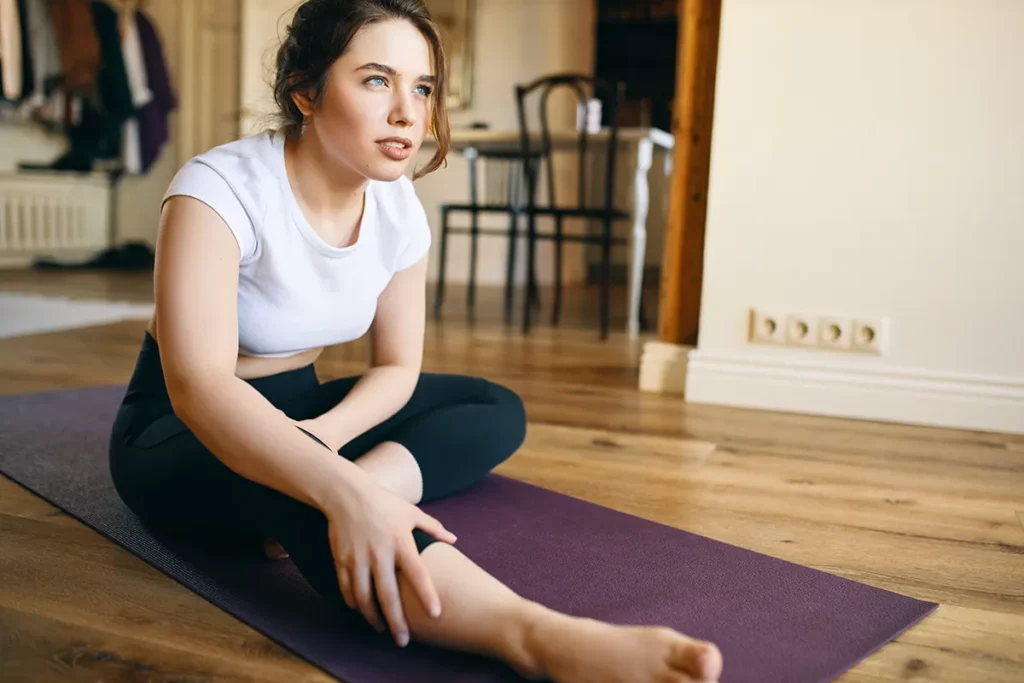
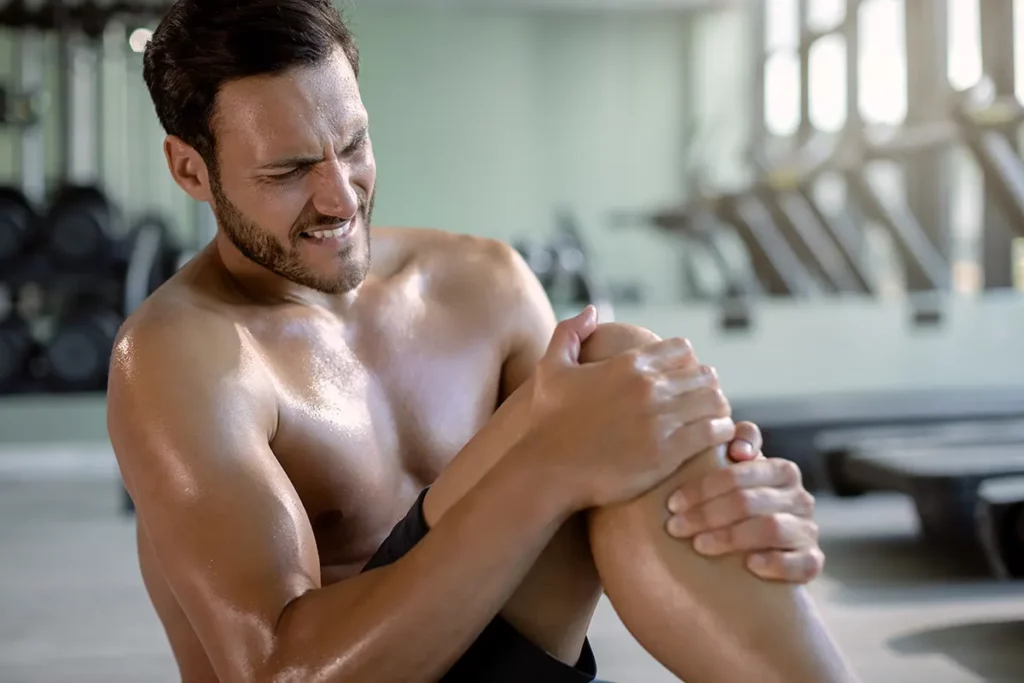
A calf that tightens every time you run, shoulders that ache after long days at a desk, or a hamstring that never quite feels right can quickly take the enjoyment out of training. Sports massage Drumcondra appointments offer more than a short-lived release for sore muscles. When used as part of a wider plan, they can help you move better, recover with more confidence and understand what is driving the problem in the first place.
At Hamilton Pain and Sports Injury Clinic, the focus is always on treating the person, not simply the painful area. That means considering your training, work, previous injuries, sleep, daily movement and the goals that matter to you – whether that is getting through a five-a-side match, preparing for a race or lifting your child without worrying about your back.
What sports massage is designed to do
Sports massage is hands-on treatment aimed at muscles and other soft tissues that are overloaded, restricted or slow to recover. Depending on what you need, treatment may involve deeper pressure, slower work around particularly tense areas, assisted movement and advice on how to keep the area moving well afterwards.
It is not reserved for elite athletes. Runners, gym-goers, field sport players and active adults can all benefit, but so can someone whose neck and shoulders are constantly tight from work or whose lower back is limiting everyday life. The key is applying it for the right reason, at the right intensity.
A good session is not about making treatment as painful as possible. Firm pressure can be useful, but it should be tolerable and purposeful. If you leave feeling bruised, guarded and unable to train for days, the approach may have been too aggressive for your body or the timing may not have been right.
When sports massage in Drumcondra can help
Sports massage can be particularly helpful when muscle tension is contributing to reduced movement, post-training soreness or a familiar feeling of stiffness that keeps returning. A runner may notice calves that feel heavy late in a run. A gym-goer might have tight hips affecting squat depth. A Gaelic football or football player may feel that a hamstring is constantly on the verge of tightening.
It can also support recovery during demanding periods. If you are increasing mileage, returning to the gym after time away or playing several matches in a short spell, your body has less margin for poor recovery. Massage may reduce the sense of tightness and help you feel ready to move, while a sensible plan for training load, mobility and strength addresses the bigger picture.
For desk-based workers, the issue is often not sport alone. Long periods sitting, commuting and then training in the evening can leave the upper back, hips and calves doing more than their fair share. In these cases, hands-on work can make movement feel easier, but small changes to breaks, positioning and exercise usually make the result last longer.
Massage is part of the answer, not the whole answer
A massage can feel excellent after a hard session, but recurring pain rarely has one simple cause. If your knee flares every time you run, your shoulder hurts during pressing or your back seizes after a busy week, temporary relief alone is unlikely to solve it.
That is why assessment matters. Your therapist should ask what brings symptoms on, what settles them, how your training has changed and what you want to return to. They should also look at how you move where relevant, rather than assuming the tightest muscle is automatically the source of the problem.
Sometimes treatment will be followed by a few targeted exercises to improve strength, control or range of movement. Sometimes the most useful advice is to adjust your training for a week rather than stopping completely. For an irritated tendon or an acute injury, the plan may lean more heavily towards rehabilitation than deep massage. It depends on your symptoms, your stage of recovery and the demands you are trying to meet.
What happens in an appointment
Your first appointment should start with a conversation, not a rush onto the treatment table. You will discuss your symptoms, sport or activity, injury history and goals. This helps distinguish between general post-training tightness and an issue that needs a more structured rehabilitation plan.
The hands-on treatment is then tailored to you. For one person, that could mean work through the calves, hamstrings and hips after a jump in running mileage. For another, it may focus on the upper back, chest and shoulders to improve comfort with gym training or daily work. The area being treated, the pressure used and the length of time spent on each part should all have a reason.
You may also be given simple guidance before you leave. This could include an exercise, a warm-up change, advice on managing your next training session or a recovery strategy that fits your routine. The aim is not to make you dependent on treatment. It is to help you build confidence in your body and return to activity with a clear plan.
How often should you book?
There is no single schedule that suits everyone. If you have a specific flare-up, a small number of closer appointments may be useful alongside rehabilitation. If you are in heavy training for an event, occasional sessions can be planned around your workload and recovery needs. For general maintenance, the right frequency is whatever provides a genuine benefit without replacing the basics of sleep, nutrition, progressive training and strength work.
Be wary of anyone suggesting that every tight muscle needs weekly treatment forever. Some people enjoy regular massage and find it helps them stay on top of their training. That is perfectly reasonable. But the best long-term care should still leave you better able to manage your own movement, load and recovery.
Getting more from your session
Arrive ready to explain what has changed. Mention a new pair of trainers, an increase in gym sessions, a recent match, poor sleep, long hours at work or pain that appears at a particular point in a run. These details are often more useful than simply saying an area feels tight.
Afterwards, normal movement is usually helpful. A gentle walk, easy mobility work and plenty of fluids are sensible choices. Avoid treating a massage as permission to ignore a problem and push through a hard session if the area is genuinely painful or weak. Your therapist can help you decide whether to train as normal, modify the session or take a short step back.
It is also worth setting a clear goal. “I want my hamstring fixed” is understandable, but more useful goals include running 5 km without tightening, completing a pain-free squat session or getting through a workday without constant neck discomfort. Clear goals make it easier to judge whether treatment and rehabilitation are working.
When you may need a different approach
Massage is not appropriate for every type of pain. Sudden severe pain, significant swelling, unexplained numbness, weakness, a suspected fracture, fever or a painful swollen calf should be assessed promptly rather than massaged. Similarly, if pain is worsening, constantly wakes you at night or follows a serious accident, seek appropriate medical advice.
Even with more common sports injuries, the right choice may be rehabilitation, dry needling, dry cupping, movement coaching or a combination of approaches. Hands-on treatment can be valuable, but it is most effective when it supports the actual problem rather than becoming the only strategy.
The real value of sports massage is not just feeling looser when you leave the clinic. It is having someone listen to what your body is telling you, apply treatment that makes sense and help you take the next step back towards the training and daily life you enjoy.