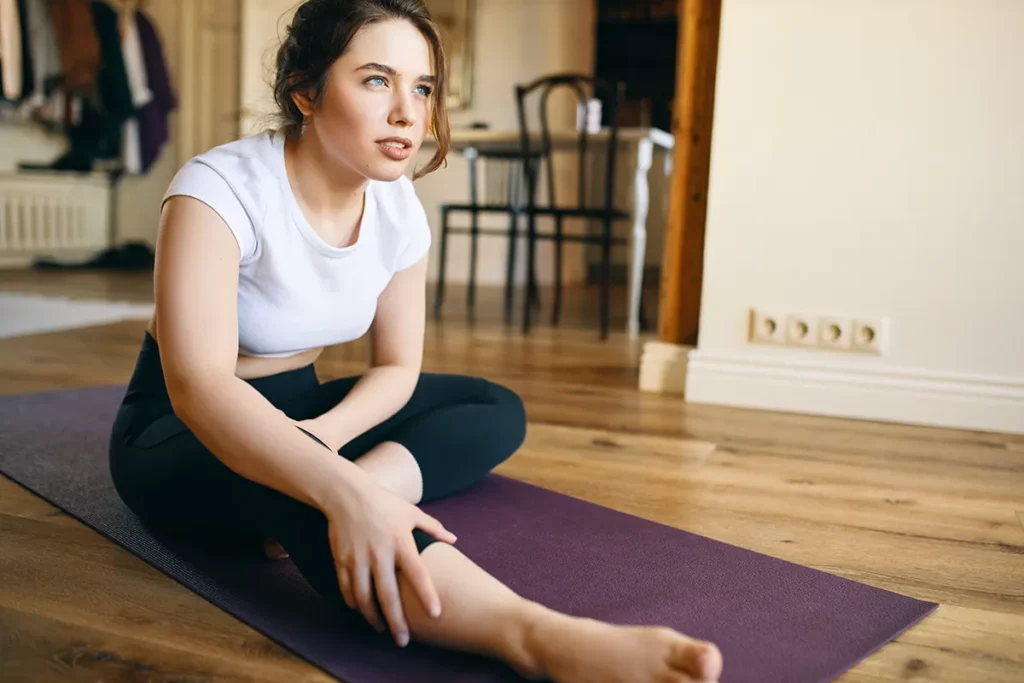
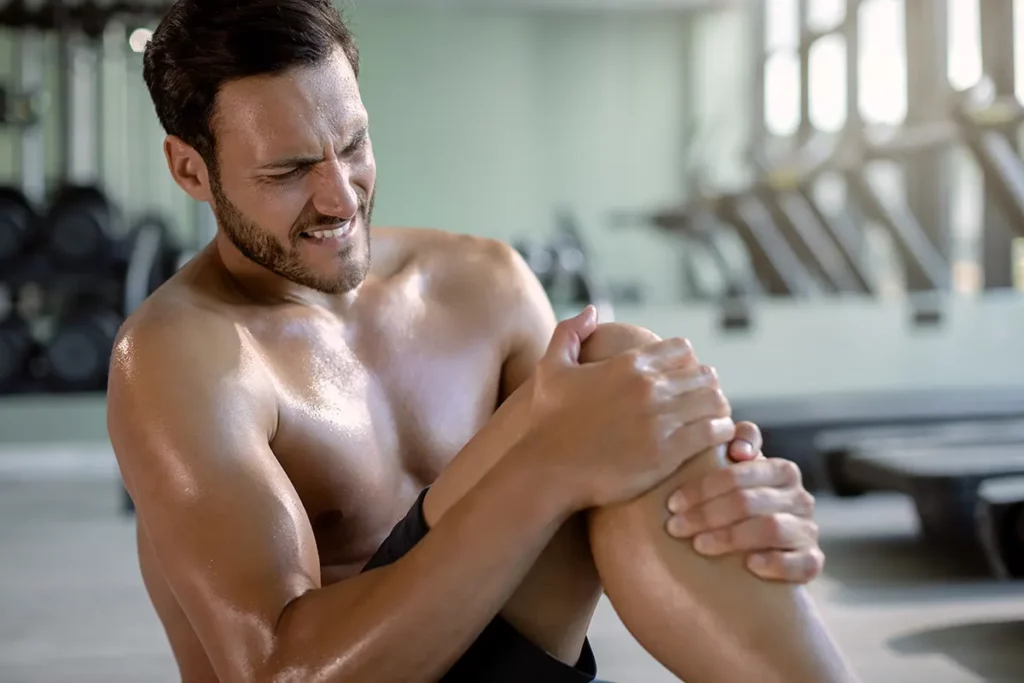
A sore knee that stops you running, a back that tightens after a day at work, or a hamstring that never quite feels right can make exercise feel risky. Personal training for injury recovery gives you a clear route forward: movement chosen for your body, your current capacity and the life or sport you want to return to.
The goal is not to throw you back into hard training before you are ready. It is to rebuild trust in your body, improve how you move and progressively restore the strength your injury has exposed. For some people, that means getting up from the floor without pain. For others, it means sprinting, lifting, playing a full match or finishing a race with confidence.
Why rest alone rarely solves the whole problem
Rest has a place after an injury, particularly when symptoms are highly irritated. But too much rest can leave muscles weaker, joints stiffer and normal movement feeling more threatening than it needs to. When you avoid loading an area for weeks or months, the body can lose the capacity needed for work, training and everyday tasks.
That does not mean you should push through sharp pain or ignore swelling. It means recovery needs the right amount of the right type of movement. A structured programme can help you reintroduce load without guessing whether every exercise is helping or setting you back.
An ankle sprain is a good example. Pain may settle quickly, but balance, calf strength and confidence changing direction can still be reduced. If you return to football or running without rebuilding these qualities, the ankle may feel unreliable and the chance of another setback can rise. The same principle applies to a sore shoulder, painful knee or recurring lower back problem.
What personal training for injury recovery should look like
Injury-focused personal training is not a standard gym plan with lighter weights. It starts with understanding the person in front of you. That includes your symptoms, previous injuries, work demands, training history, sleep, stress, goals and the movements you have started to avoid.
At Hamilton Pain and Sports Injury Clinic, this person-first approach helps make treatment and exercise work together. Hands-on therapy may be useful for reducing pain or restoring movement, but lasting progress often comes from what you can gradually do between sessions.
Start with your baseline, not your old routine
A useful plan begins by assessing what you can do now. This might include a squat, step-up, single-leg balance, shoulder press, hip hinge, walking tolerance or a sport-specific movement. The aim is not to test you to failure. It is to identify where movement breaks down, what provokes symptoms and what you can safely build from.
Someone recovering from knee pain may be able to cycle comfortably but struggle on stairs or when decelerating. A runner with Achilles pain may tolerate slow calf raises but react badly to hills. Those details matter. They shape the starting point far better than a generic online programme.
Build capacity in stages
Most recovery programmes progress from simple, controlled movements to more demanding tasks. Early work may focus on mobility, isometric holds, balance and low-load strength. As symptoms settle and control improves, training can move towards heavier resistance, single-leg work, faster movement and sport-specific drills.
Progress is rarely a straight line. A demanding week at work, poor sleep, a long walk or an unexpected training session can make symptoms flare. This does not always mean you have caused new damage. It may simply mean the area was asked to do more than it was ready for. Your plan should be flexible enough to adjust the load while keeping you moving.
Train the whole body
An injury may be local, but recovery often benefits from looking beyond the painful spot. A runner with knee pain may need stronger calves and hips, better control through the trunk and a gradual plan for running volume. A gym-goer with shoulder pain may need to improve upper-back strength, pressing technique and how often they train pushing movements.
Whole-body training also keeps you active while a specific area recovers. If your shoulder is irritated, lower-body strength work and cardiovascular exercise may still be possible. If a knee is painful, carefully chosen upper-body training can protect your routine and motivation. The right options depend on your injury and current symptoms, but doing nothing is not the only choice.
Pain during training: what is acceptable?
This is one of the most common concerns, and there is no single rule for every injury. Some discomfort during rehabilitation can be normal, especially when an area has been sensitive or underused for a long time. Sharp, escalating pain, a loss of function, notable swelling or pain that worsens significantly after each session are different signals and need attention.
A good trainer or therapist will help you monitor three things: how symptoms feel during exercise, how they settle afterwards and how you feel the following day. Mild symptoms that remain controlled and settle back to your usual level may be acceptable in some programmes. Symptoms that linger, spread or make daily activities harder usually mean the session needs adjusting.
This approach replaces fear with useful feedback. You are not trying to be completely pain-free before you move, nor are you being told to ignore everything. You are learning what your body can tolerate and steadily expanding that tolerance.
Returning to sport without rushing the final stage
Many people feel better in daily life before they are ready for the demands of sport. Walking without pain is not the same as sprinting. A comfortable bodyweight squat does not automatically mean you are ready to return to heavy barbell lifts. The final phase of recovery needs to match the activities that matter to you.
For a runner, this might mean building distance, pace, hills and intervals one variable at a time. For a GAA or football player, it may include acceleration, stopping, cutting, jumping and repeated efforts under fatigue. For someone who enjoys the gym, it can mean restoring range, load and confidence in key lifts while improving technique.
The temptation is to test everything as soon as you feel better. That is understandable, particularly when you have missed training or competition. Yet a gradual return is usually the quicker route in the long term. It gives your muscles, tendons and joints time to adapt, rather than asking them to cope with a sudden spike in demand.
When personal training is not the first step
Exercise-based recovery is highly effective for many musculoskeletal problems, but it is not appropriate to train through every symptom. New severe pain after a significant fall or collision, an obvious deformity, inability to bear weight, unexplained numbness or weakness, fever, or changes to bladder or bowel control need urgent medical assessment.
Even without red flags, a proper assessment is valuable when pain is persistent, repeatedly returns or stops you from doing the activities you enjoy. The answer may be a combination of hands-on treatment, rehabilitation and personal training rather than one approach alone.
The real measure of progress
The best recovery plans do more than improve a number on a pain scale. They help you carry shopping without guarding your back, get through a working day without a stiff neck, run down a hill without worrying about your knee or return to the gym knowing exactly what to do.
Your starting point may be small, and that is fine. Consistent, well-chosen movement creates momentum. With the right support, every controlled repetition can become evidence that your body is capable of more than pain has allowed you to believe.