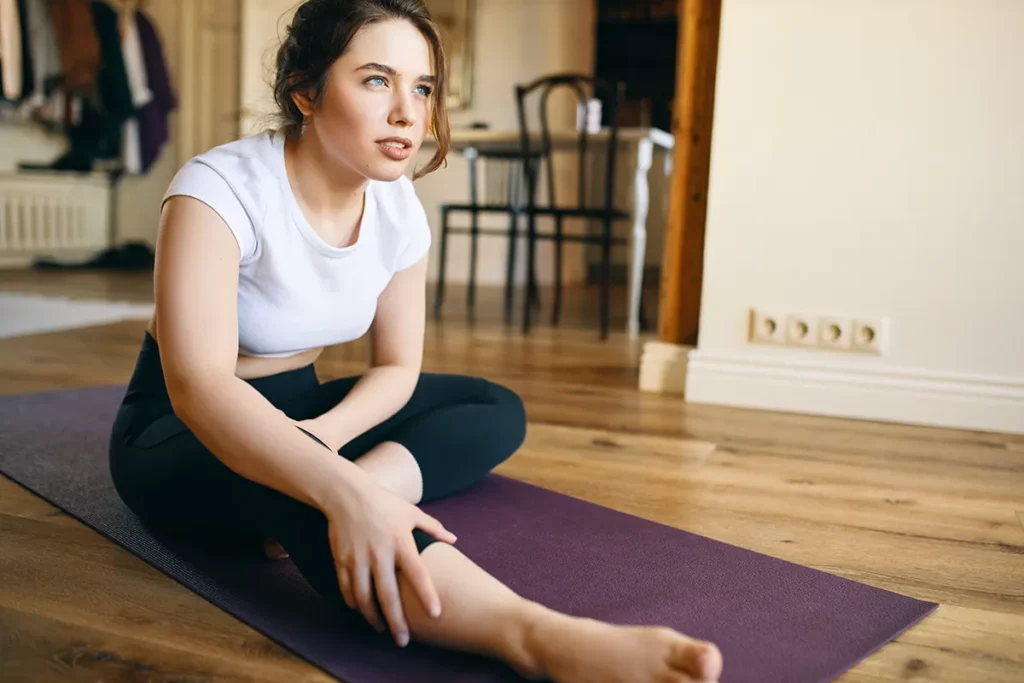
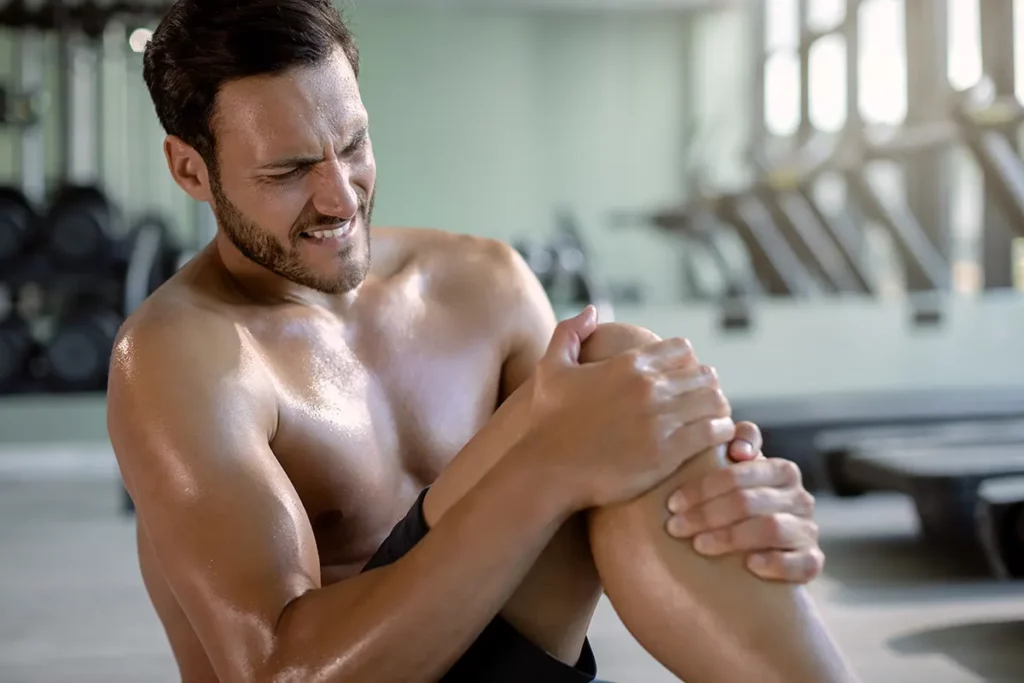
A flight of stairs can reveal a knee problem long before a walk on level ground does. If you are searching for knee pain stairs because every step up, down or both is becoming a challenge, you are not alone. It is a common complaint among runners, gym-goers, field sport players and people simply trying to get through work, school runs or daily life without thinking about their knees.
The useful question is not just, “What is wrong with my knee?” It is also: when does it hurt, where do you feel it, what else has changed, and what load is your knee dealing with each week? Those details help guide the right treatment rather than simply chasing short-term relief.
Why knee pain on stairs is so common
Stairs ask more of your knee than walking on the flat. Going up requires the quadriceps at the front of the thigh to work hard to straighten the knee and lift your bodyweight. Going down demands control as those muscles slow you down. That places greater pressure through the kneecap joint and surrounding tissues.
This does not mean stairs are harmful. Healthy knees are designed to tolerate them. But when strength, movement control, training load or tissue tolerance has changed, stairs often become the activity that exposes the problem.
Pain going downstairs is particularly common because the knee must absorb force while bent. Pain on the way up can also occur, especially when getting out of a low chair, climbing hills, squatting or lunging is uncomfortable too. The pattern matters, but it does not provide a diagnosis by itself.
Common reasons your knee hurts on stairs
Pain around or behind the kneecap
Patellofemoral pain is one of the most frequent causes of pain on stairs. It is often felt at the front of the knee, around the kneecap, or as a hard-to-pinpoint ache deep behind it. You may notice it after running, squatting, sitting for a long period, or returning to training after time off.
It is not always caused by one dramatic injury. Sometimes it follows a sudden jump in running mileage, more hill work, a new gym programme, a change in boots, or a period where activity has dropped and the leg has become less conditioned. Hip and thigh strength, ankle movement and how the whole leg controls load can all play a part.
Tendon irritation
Pain just below the kneecap may involve the patellar tendon. This is more likely in people who jump, sprint, play court or field sports, or have recently increased heavy squats, lunges or plyometric training. The pain can feel sharp at first, then settle as you warm up, only to return later or the following morning.
Tendons usually respond best to a progressive loading plan. Complete rest for weeks can reduce capacity further, while repeatedly pushing through severe pain can keep the tendon irritated. The middle ground is usually more productive.
Joint stiffness or osteoarthritis
For some adults, especially after a previous knee injury or with increasing age, stairs can aggravate joint-related pain and stiffness. You may notice a dull ache, brief stiffness after sitting, swelling after a busy day, or reduced confidence bending the knee deeply.
A diagnosis of osteoarthritis does not mean you need to stop being active. In many cases, tailored strengthening, sensible activity pacing and improved movement confidence make a meaningful difference. The right plan depends on your symptoms, goals and current capacity.
Meniscus or ligament-related problems
A twisting injury, sudden swelling, catching, locking or a feeling that the knee may give way deserves proper assessment. Meniscus and ligament issues do not always cause dramatic symptoms, but stairs can make them more noticeable because the knee is loaded in a bent position.
Do not assume every click means damage. Knees can click without pain or consequence. However, clicking combined with pain, swelling, locking or instability is worth getting checked.
Referred pain and movement changes
The knee is not always the only area involved. Stiffness at the ankle, reduced hip strength, poor balance, an altered running pattern or pain elsewhere in the leg can change how force travels through the knee. This is why a useful assessment looks beyond the painful spot.
What to do when stairs are aggravating your knee
You do not need to avoid every staircase while your knee settles, but repeatedly provoking sharp or escalating pain is rarely a good strategy. Start by reducing the most aggravating load for a short period. That might mean cutting back on hill runs, deep weighted squats, repeated jumping or high-volume stair sessions rather than stopping all exercise.
Use the handrail if needed, take one step at a time on difficult days, and slow down on the descent. These are not signs of weakness. They are practical ways to manage load while you rebuild capacity.
Pay attention to your pain response over the next 24 hours. Mild discomfort during rehabilitation can be acceptable if it settles quickly and does not leave the knee notably worse later that day or the next morning. Sharp pain, increasing swelling, limping, or symptoms that build from session to session are signs to scale things back and seek advice.
Footwear can matter too, particularly if worn-out shoes, unsupportive trainers or a recent change in footwear coincides with symptoms. Shoes alone rarely solve knee pain, but they can affect comfort and confidence while you address the bigger picture.
Build strength for better stair tolerance
The most effective long-term approach is usually not a single stretch or a massage alone. Your knee needs the strength and control to handle the tasks you want it to do. A programme should be matched to what currently irritates you, whether that is stairs, running, football, gym training or simply getting up from the floor with your children.
Early exercises may include controlled sit-to-stands, wall-supported holds, step-ups to a low height, calf raises and balance work. As your tolerance improves, the programme can progress towards split squats, deeper step-downs, single-leg work, running drills or sport-specific exercises.
Technique is useful, but perfection is not the goal. The aim is to find positions and loads your knee can tolerate, then gradually build from there. For example, a lower step may be appropriate initially, while a high step-down may be too demanding. A runner may need a temporary reduction in hills, whereas a gym-goer may need to adjust squat depth and volume before building back up.
Hands-on treatment can help reduce discomfort and improve movement in some cases, particularly where muscle tightness or joint stiffness is contributing. It works best alongside a clear exercise and load-management plan. Relief matters, but so does giving you the capacity to keep moving once the session is over.
When knee pain on stairs needs assessment
Book an assessment if the pain has lasted more than a couple of weeks, keeps returning when you resume training, or is limiting normal daily activities. A proper examination can identify the movements that provoke symptoms, assess strength and mobility, and give you a plan built around your goals rather than generic exercises found online.
Seek urgent medical advice if your knee is severely swollen, hot or red, you cannot put weight through it, the joint is locked and cannot straighten, you have a fever, or pain followed a significant fall, collision or twist. These symptoms need timely medical assessment.
At Hamilton Pain and Sports Injury Clinic, treatment focuses on the person behind the knee pain: your training, work, previous injuries, confidence and the activities you want to return to. That may mean hands-on therapy to settle symptoms, followed by progressive rehabilitation that makes stairs, training and everyday movement feel manageable again.
Your knee does not need to be pain-free before you start rebuilding trust in it. With the right level of support and a plan that progresses at a sensible pace, each step can become less of a test and more of a normal part of your day.