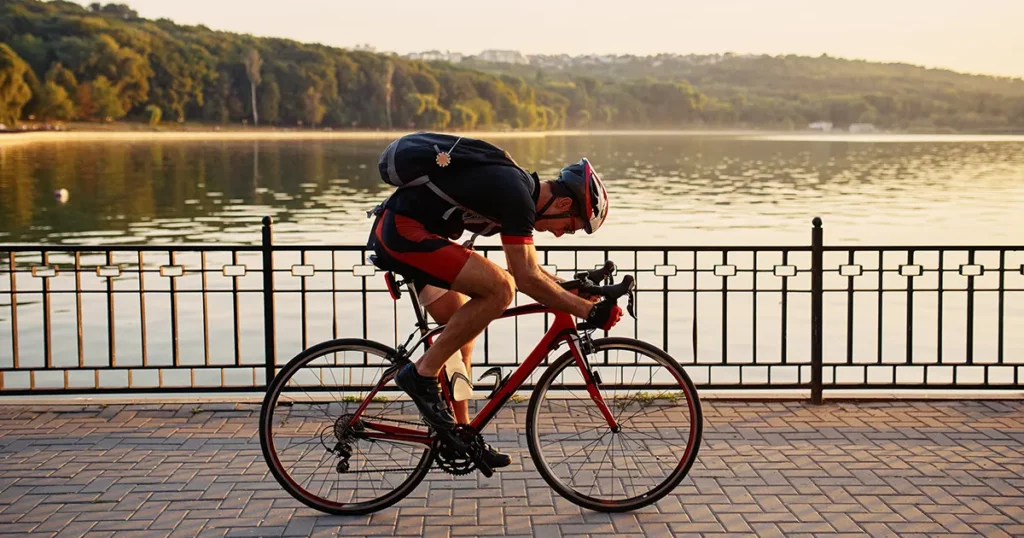
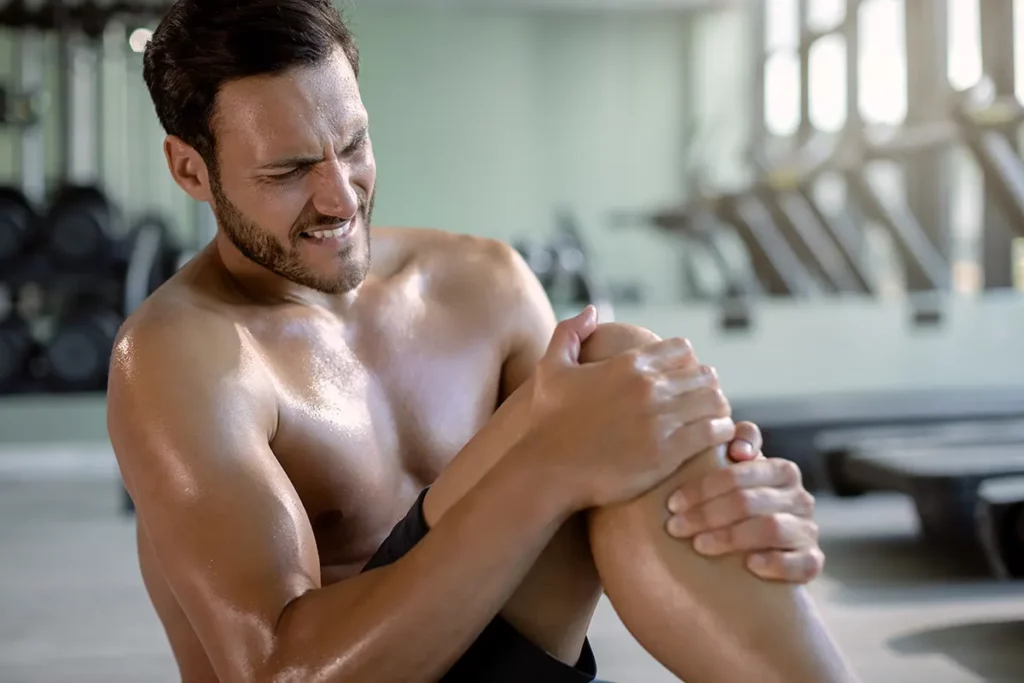
A calf strain can turn an ordinary push-off into a sharp warning. You may feel it when sprinting for a ball, climbing the stairs, accelerating on a run or even walking briskly after a long day. Knowing how to treat calf strain early can make the difference between a short setback and a niggle that keeps returning whenever you try to train.
The temptation is usually to stretch hard, massage the sore spot or test it with a run as soon as it feels slightly better. In the first few days, those choices can aggravate the tissue. A better approach is to settle the symptoms, restore comfortable movement, then progressively rebuild calf strength and running tolerance.
What a calf strain feels like
The calf is made up primarily of two muscles: the gastrocnemius, the more visible muscle at the back of the lower leg, and the soleus underneath it. Both help you point your foot, propel yourself forward and absorb force when walking, running and jumping.
A strain occurs when muscle fibres are overloaded beyond what they can tolerate. This may happen in one obvious moment, such as a sprint or jump, or it can build gradually when training volume, hills, speed work or gym loading increases faster than your body is ready for.
Symptoms can range from tightness and cramping to a sudden sharp pain or a feeling that someone has kicked the back of your leg. There may be tenderness, swelling or bruising, and walking on your toes can feel difficult. A mild strain may settle quickly, while a more significant tear needs a more patient rehabilitation plan.
First 48 hours: protect the calf without stopping all movement
For the first day or two, reduce the activities that reproduce pain. That commonly means no running, jumping, fast direction changes or heavy calf work. If you are limping, avoid trying to “walk it off” for a long distance.
Relative rest does not mean staying completely still. Gentle, pain-limited walking around the house and easy ankle movements can help prevent stiffness. Move the ankle up and down several times through a comfortable range, but do not force a stretch into the painful area.
A cold pack may help reduce pain, particularly if the calf is sore or swollen. Use it wrapped in a cloth for short periods rather than applying ice directly to the skin. Compression can also feel supportive for some people, provided it is comfortable and does not cause tingling, numbness or changes in foot colour.
Avoid deep massage, aggressive foam rolling and strong stretching in the first 48 hours if the injury is acute. They may feel productive, but irritated tissue usually responds better to calm, gradual loading than force.
When a calf injury needs urgent assessment
Not every pain in the calf is a straightforward muscle strain. Seek urgent medical advice if the calf becomes hot, red and unusually swollen, particularly if you have chest pain or shortness of breath. These can be warning signs of a blood clot and should not be managed as a sports injury.
You should also be assessed promptly if you heard a pop, cannot push through the foot, have severe bruising, or felt as though you had been kicked in the back of the ankle. These symptoms can occur with an Achilles tendon injury. Persistent pain, repeated calf strains or pain that is worsening rather than settling are also good reasons to get a proper diagnosis.
How to treat calf strain as pain settles
Once walking is comfortable or clearly improving, the focus changes. The goal is not simply to make the pain disappear. Your calf needs to tolerate the demands that caused the problem, whether that is a five-kilometre run, a football match, hill walking or carrying children up the stairs.
Restore comfortable ankle movement
Start with easy ankle pumps and circles. Then, if it does not increase pain during or after the exercise, add a gentle calf stretch. Keep the stretch mild rather than chasing maximum range.
A straight-knee stretch tends to load the gastrocnemius more. A bent-knee stretch places more emphasis on the soleus, which matters for runners because the soleus works hard through repeated ground contact. Hold each position at a comfortable intensity and stop if you feel a sharp pull.
Rebuild calf strength step by step
Calf strength is often the missing piece when someone returns too quickly. Begin with double-leg calf raises while holding a wall or kitchen counter for balance. Lift slowly, pause at the top, and lower under control. If this is comfortable, gradually increase the number of repetitions.
The next step is usually single-leg calf raises. Compare both sides, but do not obsess over perfect symmetry immediately after injury. What matters is steadily improving control, height and endurance without a flare-up the following day.
Progress can include bent-knee calf raises for the soleus, loaded raises using dumbbells or a backpack, and eventually quicker movements such as skipping, hopping and small jumps. These later stages are particularly relevant for runners and field-sport players. Your calf has to cope with speed and spring, not just slow strength work.
A sensible rule is to keep exercise discomfort mild and short-lived. Pain that becomes sharp, causes a limp or remains noticeably worse the next morning is a sign that the load was too high. Reduce the volume or return to the previous stage for a few days.
Returning to running after a calf strain
Running should be earned rather than tested on a hopeful whim. Before your first jog, you should be able to walk briskly without pain, manage repeated controlled calf raises on the affected side and perform a few gentle hops without apprehension or a sharp symptom.
Start on flat ground at an easy pace. A short run-walk session is often more sensible than a continuous run. For example, you might alternate easy jogging and walking for 15 to 20 minutes, then see how the calf feels later that day and the following morning.
Do not add distance, pace, hills and speed sessions at the same time. Choose one variable to progress. If you are a runner preparing for an event, this can feel frustrating, but a gradual return is usually faster than repeatedly having to stop because the calf tightens again.
Football, rugby, GAA and court sports need an extra layer of preparation. Before returning to full training, build up from straight-line jogging to faster running, then controlled changes of direction, acceleration, deceleration and sport-specific drills. Being able to jog pain-free is not the same as being ready to sprint for a loose ball.
Why calf strains keep coming back
A recurring calf strain is rarely just bad luck. It may be linked to a sudden increase in running load, insufficient recovery, reduced ankle mobility, weak calf endurance, poor hip control or a previous injury that was never fully rehabilitated.
Footwear can matter too, especially if you have changed to lower-heeled shoes, started wearing new boots or increased hill running. The calf and Achilles may need time to adapt to the altered demand. It does not mean the shoe is automatically wrong, but the transition may have been too quick.
Hands-on treatment can help reduce protective tightness and improve movement when used alongside rehabilitation. However, massage or dry needling alone will not prepare the calf for a sprint, a heavy gym session or a long run. The lasting change comes from a plan that combines treatment with progressive strength, movement coaching and a sensible return to activity.
Get individual guidance when the picture is unclear
If you are training around pain, limping at work, or repeatedly pulling the same calf, an individual assessment can save weeks of guesswork. At Hamilton Pain and Sports Injury Clinic, rehabilitation is built around the person and the activity they want to return to, whether that is running, gym training, field sport or simply moving through daily life without worrying about the next step.
Your recovery does not need to be rushed, but it should have direction. Give the calf enough time to settle, then give it a clear reason to become stronger.