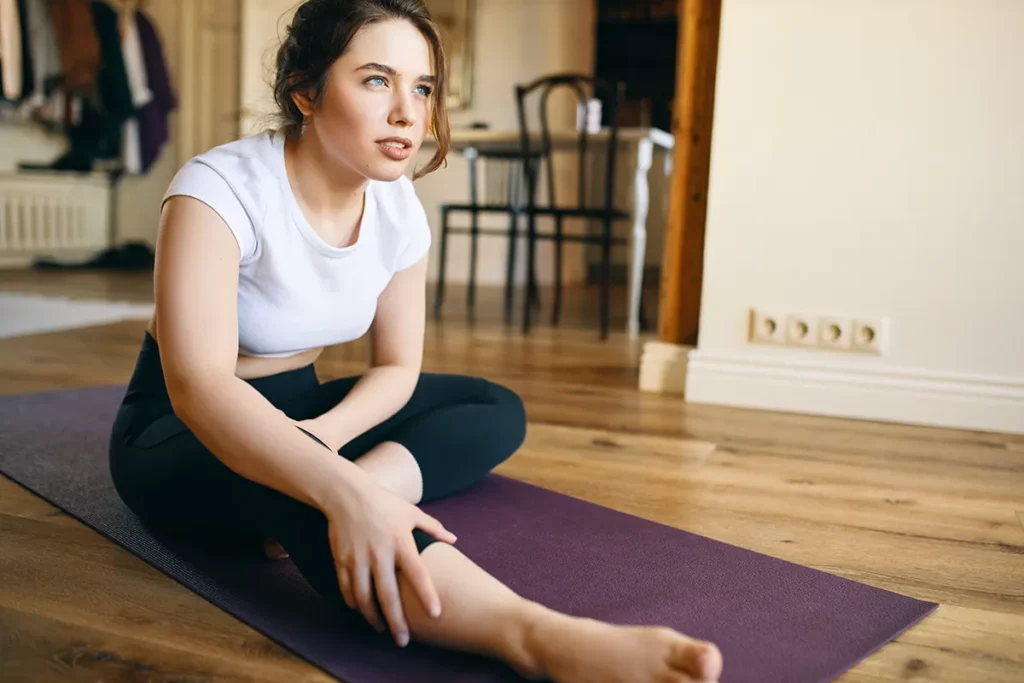
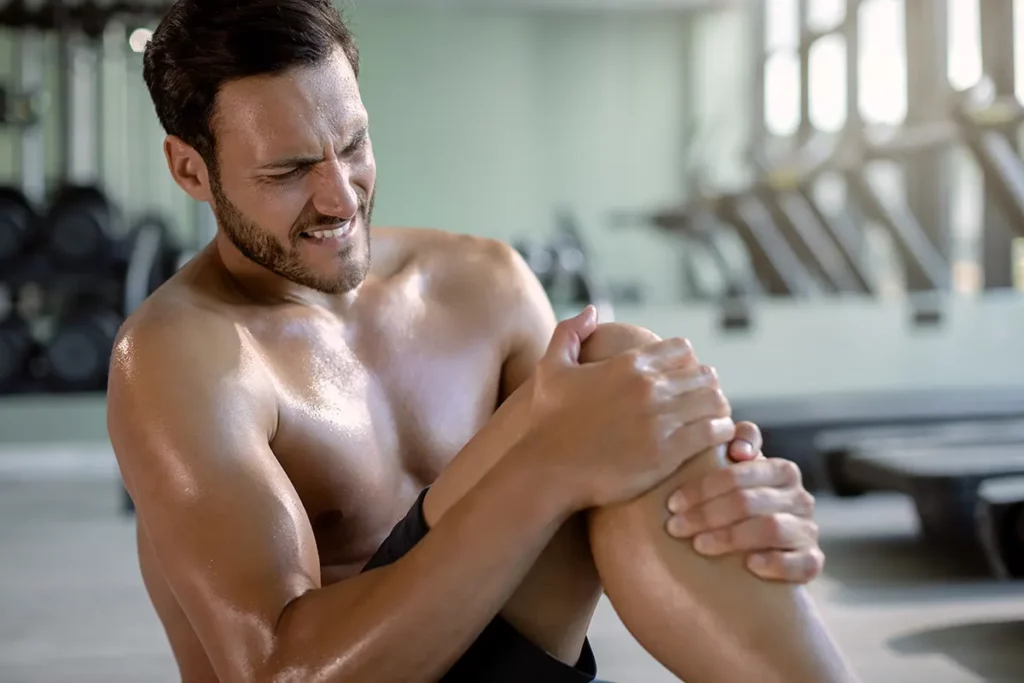
A squat that once felt routine can suddenly make you hesitate before every gym session, training drill or attempt to lift a child from the floor. Hip pain when squatting is frustrating because the movement is so common, but it is not something you should simply push through. The right response depends on where the pain is, when it appears and what your hip, back and lower body are doing under load.
A painful squat does not always mean there is a serious injury. It can be a temporary response to doing too much too soon, reduced hip movement, poor load tolerance or a technique that no longer suits your body. Equally, repeated sharp pain, catching or loss of confidence in the movement deserves proper attention.
Where hip pain during a squat is felt matters
Start by noticing the location and character of the pain. Pain at the front of the hip or groin can feel like a pinch at the bottom of the squat. This may be linked to the way the hip joint is moving, the depth you are working to, tightness around the front of the hip or a build-up in training load.
Pain on the outside of the hip is often more sensitive to how the leg is controlled. It can be aggravated when the knee drops inwards, when you shift your weight to one side, or when the muscles around the pelvis are not coping well with repeated loading. You may also notice it during walking, running, lying on that side or climbing stairs.
Pain felt in the buttock or back of the hip can be related to the gluteal muscles, deep hip muscles, hamstrings or the lower back. Sometimes what feels like hip pain is referred from the lumbar spine, particularly if there is stiffness in the back, symptoms travelling down the leg, or pain with sitting as well as squatting.
These patterns are useful clues, not a diagnosis. A good assessment looks at the whole picture: your training, previous injuries, hip and ankle movement, spinal control, squat technique and the specific demands of your sport or day-to-day life.
Common reasons for hip pain when squatting
You have increased load or volume too quickly
The most common trigger is often not one bad repetition. It is a change in total demand. Perhaps you have returned to the gym after time off, added weight to the bar, started a new running programme, increased football training or begun doing high-repetition classes several times a week.
Your hips may be capable of squatting, but not yet prepared for that amount of depth, weight or frequency. Soreness that settles quickly can be a normal training response. Pain that becomes sharper with each set, lingers for days or changes how you move is a sign that the current dose needs adjusting.
Your squat depth does not match your current mobility
A deep squat requires movement at the hips, knees and ankles, alongside control through the trunk. If your ankles are stiff, your hips may have to work harder to reach depth. If your hip movement is limited, you may tuck the pelvis under at the bottom, lean excessively forward or shift to one side.
There is no prize for forcing everyone into the same depth. For some people, a pain-free squat to a box or bench is the right starting point. Others benefit from a slightly wider stance, toes turned out a little more, or a heel lift while ankle mobility is being improved. These are sensible modifications, not shortcuts.
Technique is breaking down under fatigue
A squat can look good on the first few repetitions and change completely by rep eight. The knees may collapse inwards, one hip may rise faster than the other, or the chest may drop as fatigue builds. That does not mean you have failed at squatting. It tells you that the exercise is currently exceeding your ability to control it at that load or volume.
Filming a set from the front and side can be useful, especially if you spot a consistent weight shift. However, technique is only one part of the picture. A technically tidy squat can still hurt if the tissues are irritated or the training load is too high.
The hip is irritated, stiff or recovering from injury
Hip flexor irritation, gluteal tendon pain, muscle strains, joint-related pain and lower-back referral can all make squatting uncomfortable. Previous ankle, knee or back problems can also affect how you load your hips without you realising it.
This is why generic stretching routines often disappoint. Stretching may help some people, but aggressively forcing a painful hip into deeper positions can make symptoms worse. The goal is to find movements your body can tolerate, then build capacity gradually.
What to change straight away
Do not test the painful movement repeatedly in the hope that it will loosen off. Instead, reduce the aggravating factor for a short period. That may mean less weight, fewer sets, shallower depth or swapping barbell back squats for a more manageable variation.
A goblet squat to a box, supported split squat, leg press within a comfortable range or hip hinge exercise may allow you to keep training while settling the irritation. The best alternative depends on what hurts. If deep hip flexion causes a front-of-hip pinch, limiting depth temporarily may be more helpful than pushing through it. If one-sided loading exposes poor control, a supported single-leg exercise may be introduced gradually rather than avoided forever.
Use pain as a guide. Mild discomfort that stays low, does not worsen through the session and returns to baseline by the next day may be manageable. Sharp pain, catching, giving way, a worsening limp or pain that is clearly worse the following day means the exercise needs to be changed or stopped.
Build the squat back up with purpose
Once the movement is more comfortable, rebuild rather than jumping straight back to your previous numbers. Start with a range and load you can control. A box squat can give you a repeatable depth, while a goblet squat may make it easier to stay balanced and upright. Progress one variable at a time: depth, repetitions, sets, weight or weekly frequency.
Alongside the squat itself, targeted strength work can help. This may include glute strengthening, controlled single-leg work, trunk control, hamstring strength and calf or ankle mobility work. The right exercises should address what your assessment finds, rather than following a one-size-fits-all programme.
For an athlete, the plan should also reflect the sport. A runner needs the hip to tolerate repeated single-leg loading. A footballer needs control when changing direction and striking a ball. A gym-goer may need confidence under a barbell. Recovery is not just about being pain-free on the treatment table. It is about restoring the capacity to do what matters to you.
When to seek professional help for hip pain when squatting
Arrange an assessment if the pain has lasted more than a couple of weeks, keeps returning whenever you train, limits your normal activity or makes you compensate through your back, knee or opposite hip. Early advice can prevent a small irritation becoming a cycle of reduced training, stiffness and lost confidence.
Seek urgent medical advice if you cannot bear weight, have severe pain after a fall or impact, develop numbness or weakness in the leg, have fever or feel generally unwell, or notice sudden unexplained swelling. These symptoms need medical assessment rather than self-management.
At Hamilton Pain and Sports Injury Clinic, treatment begins with understanding the person behind the painful squat. That means looking beyond the sore area, using hands-on treatment where appropriate, and giving you a practical rehabilitation plan that fits your training, work and life. For people in Dublin who are tired of modifying every session around pain, clear guidance can make the route back to confident movement feel far less uncertain.
You do not need to earn the right to get help by struggling through months of pain. A squat should be a useful movement, not a regular source of worry. With the right load, technique and individual support, most people can work towards training and living with confidence again.